
See Articles Written by the Ramos Law Team About Law

Sustaining an injury at work can be a terrifying and confusing experience. Seeking medical treatment and ultimately paying for treatment only adds to the fear and confusion. Federal and Georgia law tries to minimize the fear and confusion through its Workers’ Compensation regulations. These government entities primarily developed their regulations
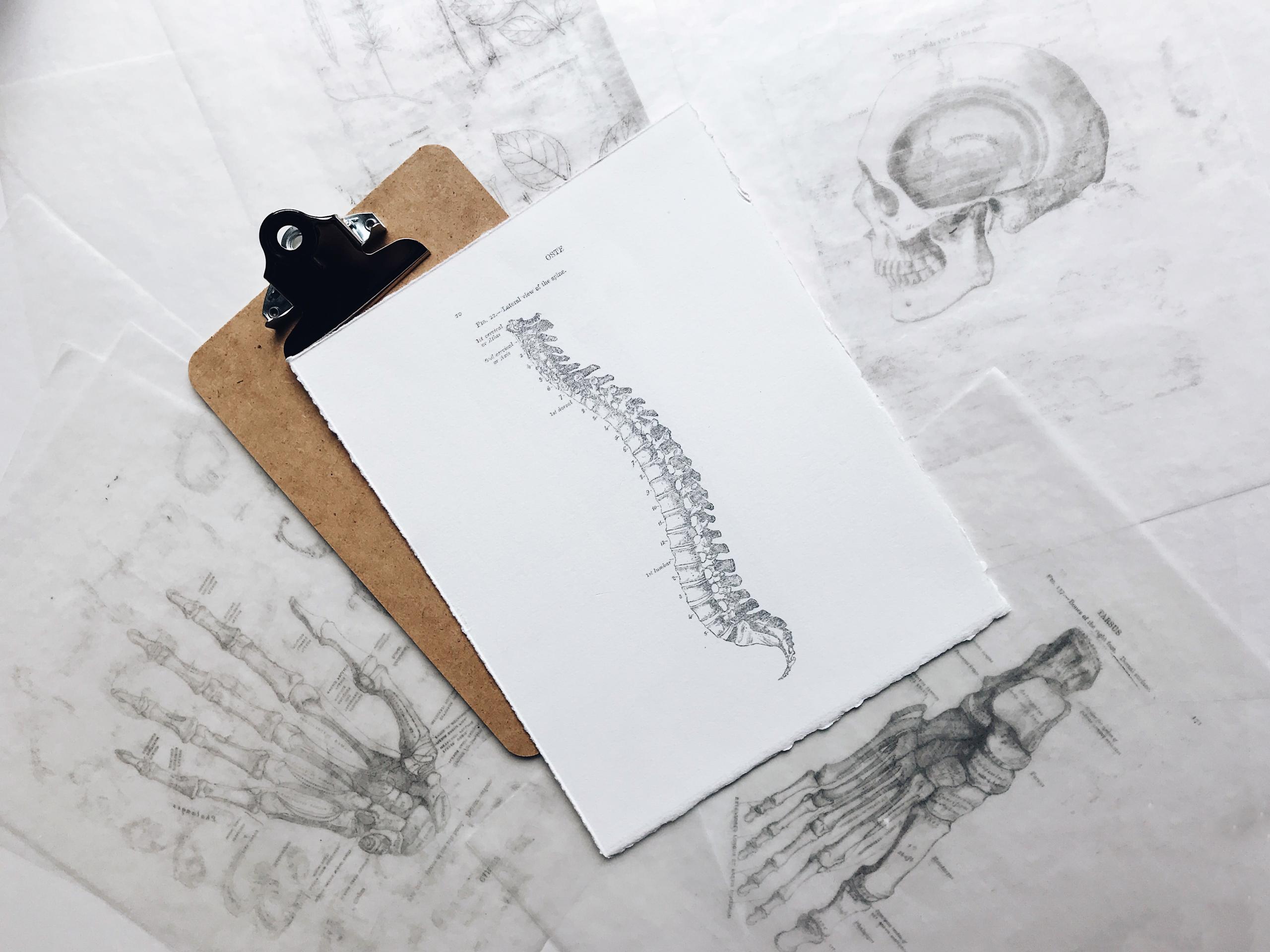
The State Board of Workers’ Compensation requires that an employer have at least one panel physician who specializes in orthopaedic surgery. Many injured employees are puzzled at exactly what that means. Orthopaedics is a branch of medicine that addresses the prevention or correction of injuries or disorders of the skeletal system and associated muscles, joints,…
Every year at the Workers’ Compensation seminar, there is a discussion of recent Appellate Division decisions. Although they are not binding precedent, there is often a great deal of guidance to be gleaned from these discussions. One recent decision from the Appellate Division was with regard to the employer’s duty to maintain a posted panel…

An injury that occurs on the employer’s premises is usually considered to arise in the course of employment. When an employee is injured on the employer’s premises or property controlled and/or maintained by the employer on their way to or from work, the accident is considered to

Outside the field of workers’ compensation, people will loosely refer to an individual as an employee or independent contractor. However, in the field of workers’ compensation these titles are not interchangeable as the Georgia Workers’ Compensation Act distinguishes “employees” from “independent contractors.” An employee is
Workers’ compensation insurers will have to change the way they do business, starting July 1, 2009. On this date, the SCHIP Extension Act of 2007 will take effect, forcing

Essentially, subrogation is the assumption of legal rights of someone whose debts or expenses have been paid. The simplest example is when an employee is injured in a car accident with a third party. Assuming that the employee was not at fault and the accident arose out of and in the course of employment,

In order for an employer/insured to be eligible for reimbursement from the Subsequent Injury Trust Fund, the employee’s subsequent injury must be directly caused by the prior impairment. The employer must show that this prior impairment was permanent and likely to be a hindrance to employment. Any pre-existing, permanent condition qualifies. The condition may be…

Employees are potentially entitled to the Five Pillars of Workers’ Compensation: (i) Temporary Total Disability; (ii) Temporary Partial Disability; (iii) Permanent Partial Disability; (iv) Medical care / treatment; and (v) Rehabilitation care and counseling. Assuming the claim is compensable, the Employee may receive two-thirds of his average weekly wage, but not more than $500.00 for…

Along with the shield against tort claims that arise out of and in the course of employment, Employers have the unique right of controlling who the injured Employee treats with after the accident. The Employer is required to post a list of physicians who the Employer has confidence will treat its Employee’s fairly. This list…